

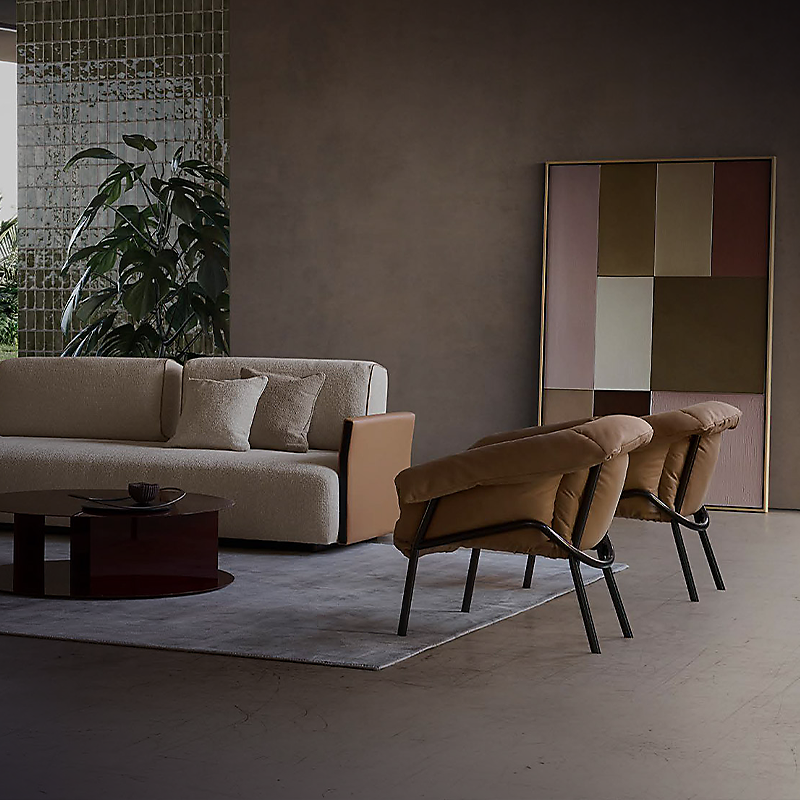
This guide is for Toronto condo and apartment living especially if you love Italian design but don’t want your space to feel cramped. It breaks down how Italian furniture brings that “luxury look” while still being practical for real, everyday life in a smaller home.
The big idea is simple: small spaces don’t need more furniture—they need the right furniture. Italian pieces work beautifully in condos because they’re built to be smart, flexible, and long-lasting. When your furniture gets used daily (and often for more than one purpose), quality and design efficiency matter a lot.
Why Italian furniture works better in small homes
Italian furniture isn’t just about style, it’s built for long-term performance. Many pieces are designed to do double duty, like storage ottomans that also work as seating, or dining tables that expand when guests arrive. These features don’t feel like “shortcuts.” They’re engineered to work smoothly and stay solid for years.
The construction is another reason Italian furniture stands out. Extension systems, joints, hinges, and moving parts are usually stronger and more precise, so you actually feel comfortable using them regularly. Instead of avoiding your sofa bed or expandable table, you can count on it.
And then there’s the design philosophy: clean lines, balanced proportions, and a calm “ bless is more” feel. That’s perfect for condos, because bulky furniture makes rooms feel smaller, while refined silhouettes help everything look more open and intentional.
Design details that make a room feel bigger
The guide points out that a lot of Italian furniture is visually lighter. Elevated legs, slimmer frames, and cleaner shapes create breathing room and help light move through the space, so your room feels larger than it is.
It also emphasizes using vertical space instead of filling up the floor. Wall-mounted units, modular shelving, and tall storage systems help you stay organized without making your home feel tight.
Finishes matter too. Lighter palettes, glass, metal details, and clean surfaces can reflect light and give your condo that calm, modern luxury vibe.
Materials that suit Toronto condo life
In a small space, your furniture works harder. The dining table becomes a desk, the coffee table turns into a work surface, and storage gets accessed constantly. That’s why this guide stresses premium materials.
Italian brands often use solid hardwoods, quality veneers, reinforced hardware, and durable upholstery. Many leathers and fabrics are also chosen for easy maintenance and graceful aging—so pieces still look beautiful even after daily wear.
Key furniture categories recommended for Toronto apartments
- Space-saving dining solutions
Extendable dining tables are highlighted as a must-have for condo living. They stay compact day to day, but expand when you need to host—perfect for homes without a dedicated dining room.
Drop-leaf tables are another smart option because they can act like a console or workspace when folded down. And for ultra-small spaces, wall-mounted fold-down tables free up floor space completely when not in use.
Nesting tables are also recommended for flexibility. You can spread them out for entertaining and tuck them away when you want your space back.
- Modular storage systems
Storage needs change over time, and that’s where modular systems shine. The guide talks about shelving units you can expand or rearrange—turning a bookshelf into a full media wall or a divider into a storage feature.
Cube storage is described as especially flexible: stack it tall, lay it long, or use cubes separately as side tables. The key is keeping finishes consistent so it looks curated, not random.
It also highlights storage that doubles as seating, like entryway benches (very useful during Toronto winters) and ottoman cubes that hide seasonal items.
- Convertible seating for living + sleeping
Modern Italian sofa beds aren’t what they used to be. The guide explains that many now include real mattresses and smooth mechanisms, so they’re comfortable enough for regular guest use—not just emergencies.
It also mentions modular seating systems that can rearrange into sleep surfaces, plus armchairs that convert into single beds. In a studio or one-bedroom condo, those options can be a game-changer.
- Compact home office pieces
With remote work, a home office is often needed—but condos rarely have extra rooms. This guide recommends office solutions that blend in and disappear when work is done.
Examples include secretary desks with fold-down surfaces, wall-mounted desks, dining tables that work as desks, and rolling carts that store your setup neatly. The goal is a workspace that doesn’t take over your home.
Italian brands mentioned (and what they’re best for)
The guide highlights several well-known Italian brands available in Toronto and explains their strengths:
Calligaris is positioned as modern, stylish, and very practical for condo layouts, especially with extendable tables and modular systems.
Natuzzi Italia focuses on comfort in compact sizes, offering sofas and sectionals that feel luxurious without needing a huge room.
Bontempi Casa is known for transforming furniture—extendable tables, stackable seating, and smart designs that look premium while saving space.
Lago is described as ideal for modular living. Their shelving systems and “floating” furniture styles help rooms feel open, lighter, and more flexible.
Placement tips that make a huge difference
The guide explains that layout matters just as much as what you buy.
It recommends clear walkways and open sightlines. Furniture with legs helps because seeing the floor underneath reduces visual heaviness.
It also notes that you don’t always need to push everything against walls. A well-placed floated piece can create zones and make the space feel more balanced.
Wall-mounted solutions are strongly recommended again—floating nightstands, shelving, and suspended storage can make cramped rooms feel instantly cleaner and more spacious.
Multifunction pieces should be placed based on your daily routine. Ottomans should be near where you relax, and sofa beds shouldn’t be jammed into corners where you can’t open them easily.
Where to buy authentic Italian furniture in Toronto
The guide suggests prioritizing authorized dealers and specialized import showrooms, since they can provide authenticity, warranties, and trusted sourcing.
It also highlights the benefit of working with design consultants who understand Toronto condo limitations and can recommend correct sizing, layout, and modular configurations.
For online shopping, it recommends retailers with detailed specs, measurements, samples, and white-glove delivery—because premium pieces often need careful handling and proper setup.
Custom ordering is also mentioned for tricky layouts. It takes longer, but results in furniture that fits your space perfectly and feels more tailored.
Budget planning: why Italian furniture can be worth it
Italian furniture usually costs more upfront, but the guide explains why it often wins long-term.
It encourages thinking in “cost per year” terms. A piece that lasts decades can end up costing less than replacing cheaper furniture multiple times.
It also mentions higher resale value for recognizable brands, plus financing options offered by many Toronto retailers that make investment pieces easier to manage.
Final takeaway
The guide ends with a clear conclusion: Italian furniture is ideal for small Toronto living because it blends timeless style with smart function. Modular sofas, expandable dining tables, adaptable storage, convertible seating, and compact work setups make condo life easier—while keeping your home looking refined.
It also encourages starting slowly. Begin with one strong “hero” piece you love, then build around it with multifunction essentials. A great small space isn’t about size, it’s about smart choices that support your daily life.