
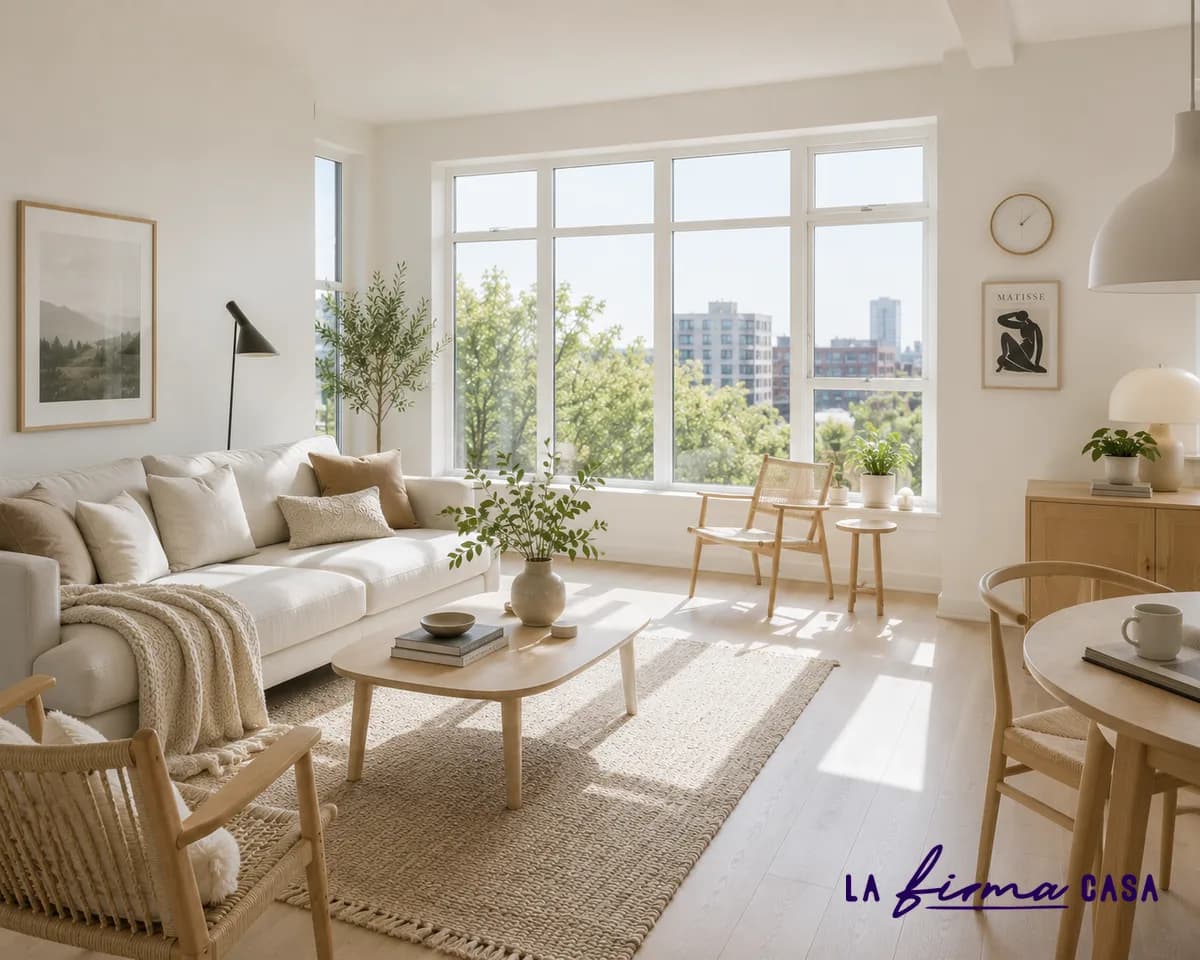
Planning a home renovation or furnishing a new space but unsure which interior design style suits you? With so many options, it can be tough to figure out what fits your home, lifestyle, and budget.
In this guide, we will explore the most popular interior design styles for 2026. We will explain what makes each style unique and help you choose the look that feels right for your space.
Types of Interior Design Styles
We’ve listed 11 of the most popular interior design styles to help you explore your options. Read through each one to find the style that best suits your home, lifestyle, and personal taste.
1. Traditional
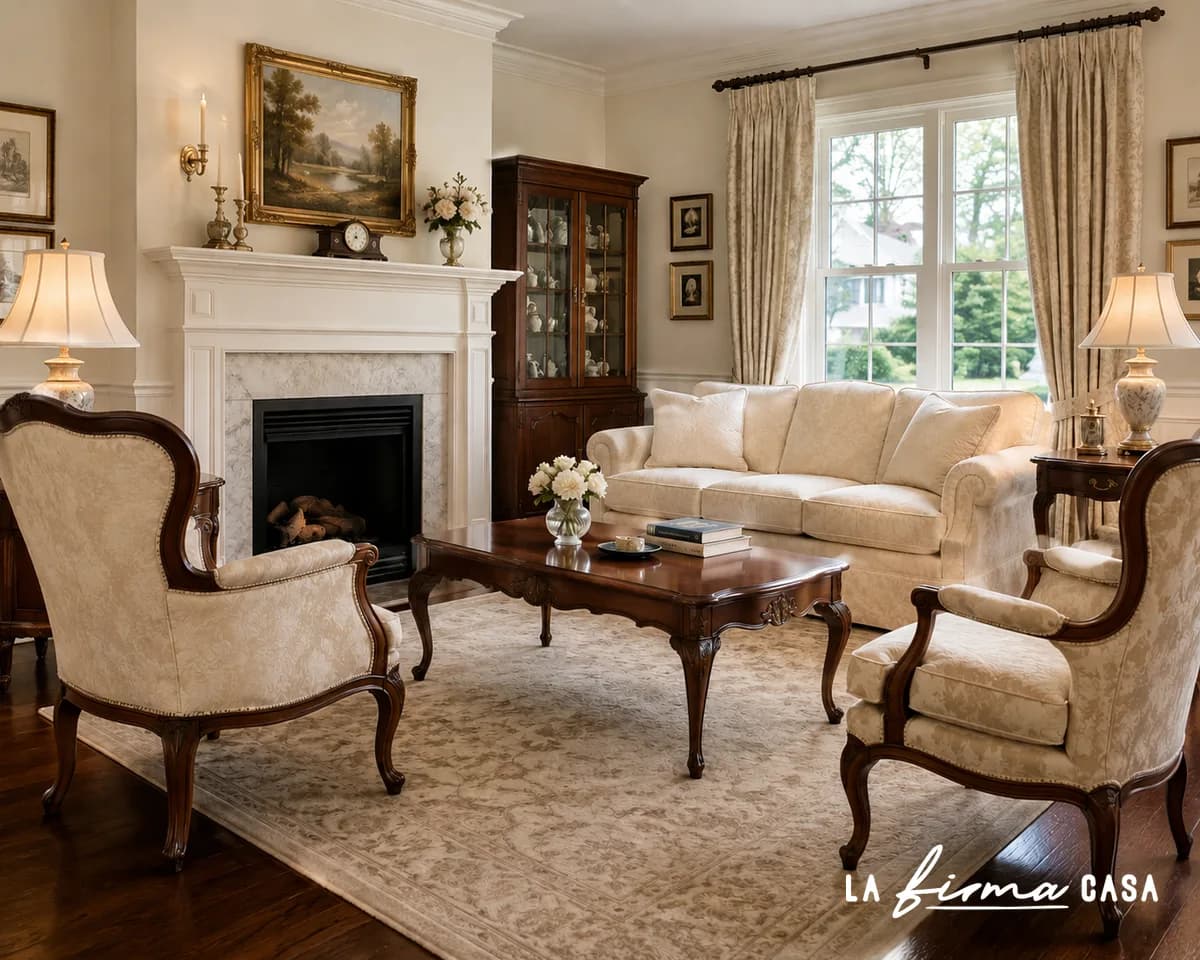
Traditional design is the look many people grew up with. It is the style your mother or grandmother likely had in her living room. It has not gone out of style since. A classic example is the Queen Anne chair, a chair style with curved wooden legs and arms. It favors curved lines over straight ones. The color palette stays familiar too, built mainly from beige, cream, white, brown, and natural wood tones.
This style will not suit you if you want a home that photographs as modern or minimal. Traditional pieces simply carry more visual detail than a stripped-down room. It works well if your priority is a timeless, comfortable look rather than something trend-driven. It also holds up in older character homes across Canada, especially in cities like Toronto, Ottawa, and Montreal. That is one reason it remains among the most common styles here.
2. Farmhouse
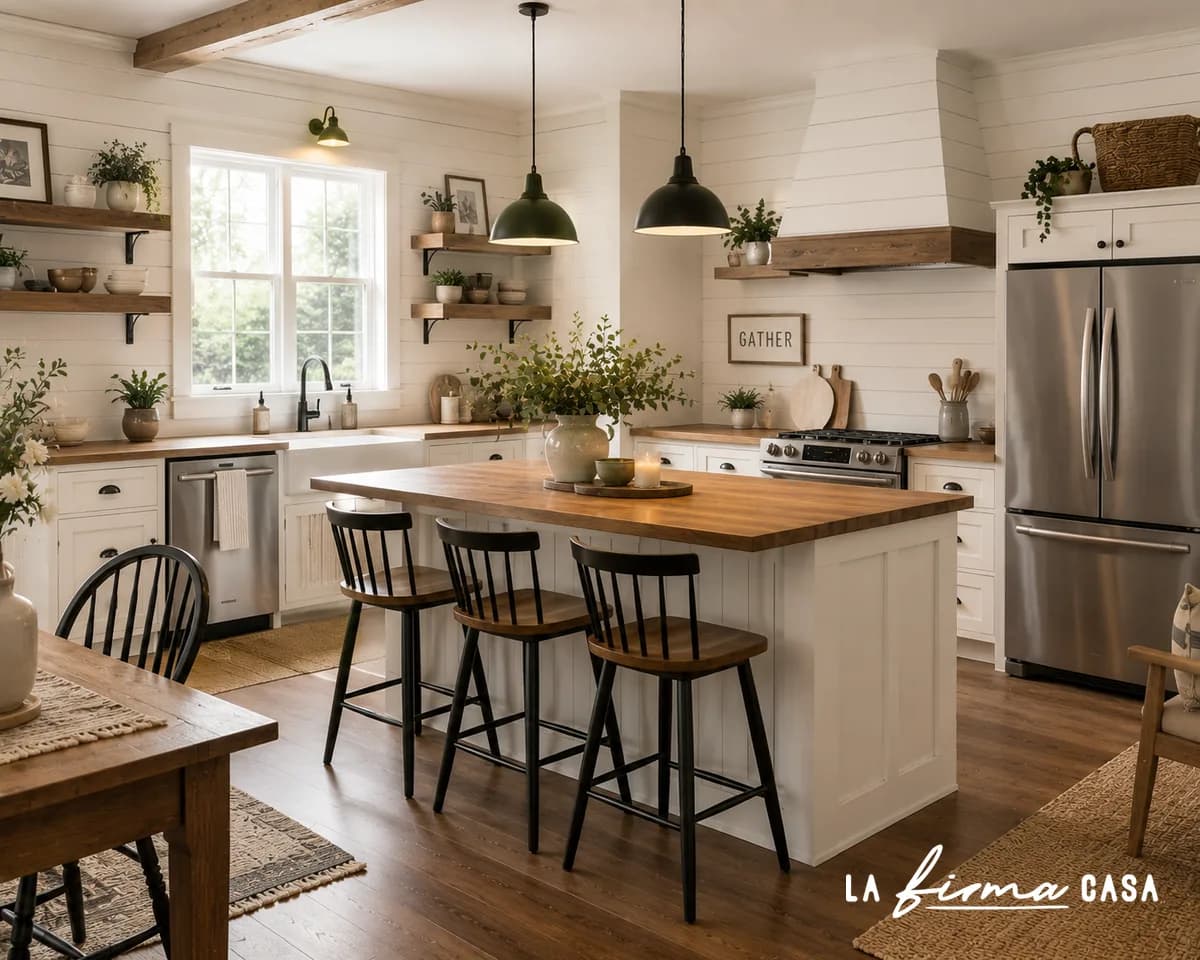
Farmhouse style actually splits into two versions. Classic farmhouse relies on rustic details such as barn doors and shiplap walls. Shiplap means horizontal wood paneling with visible grooves between each board. Butcher block countertops and leather accents round out the classic look. Modern farmhouse keeps that same structure but swaps in cleaner lighting and more current finishes. It is one of the most recognizable looks on this list for exactly that reason.
A few details define this look:
- Barn doors and shiplap walls for classic charm
- Butcher block counters and leather accents for warmth
- Updated lighting fixtures for a more current farmhouse feel
This style tends to suit larger homes better than small apartments. The rustic materials need some room to read as intentional rather than cluttered. It is especially common across rural Ontario, the Prairies, and cottage country, where the look fits the setting naturally. In a compact urban condo, the same materials can end up feeling heavier than the space allows.
3. Bohemian
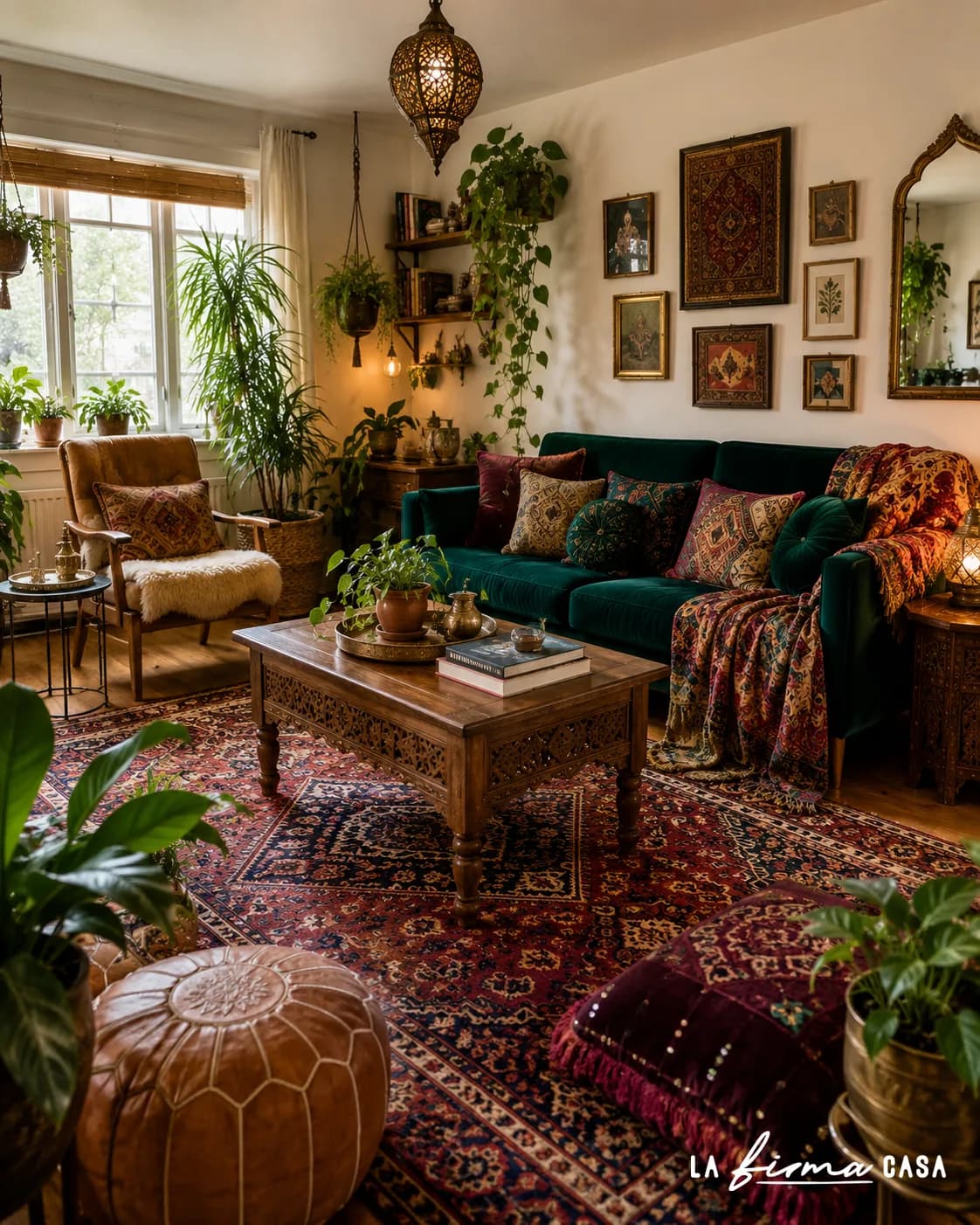
Bohemian design borrows heavily from Moroccan influences. Bold jewel tones such as gold, silver, purple, red, and emerald show up often, usually layered with pattern and texture. Rugs, mismatched pillows, and plants are common. The overall effect reads as eclectic rather than matched.
The look works well if you already collect textiles, art, or travel pieces and want somewhere to display them. It suits renters less consistently, since bohemian rooms tend to accumulate objects rather than pare them down over time. Neighborhoods like Montreal's Mile End and Toronto's Kensington Market show this style in a more lived-in, personal form, which makes them a useful reference point if you want to see it firsthand.
4. Industrial
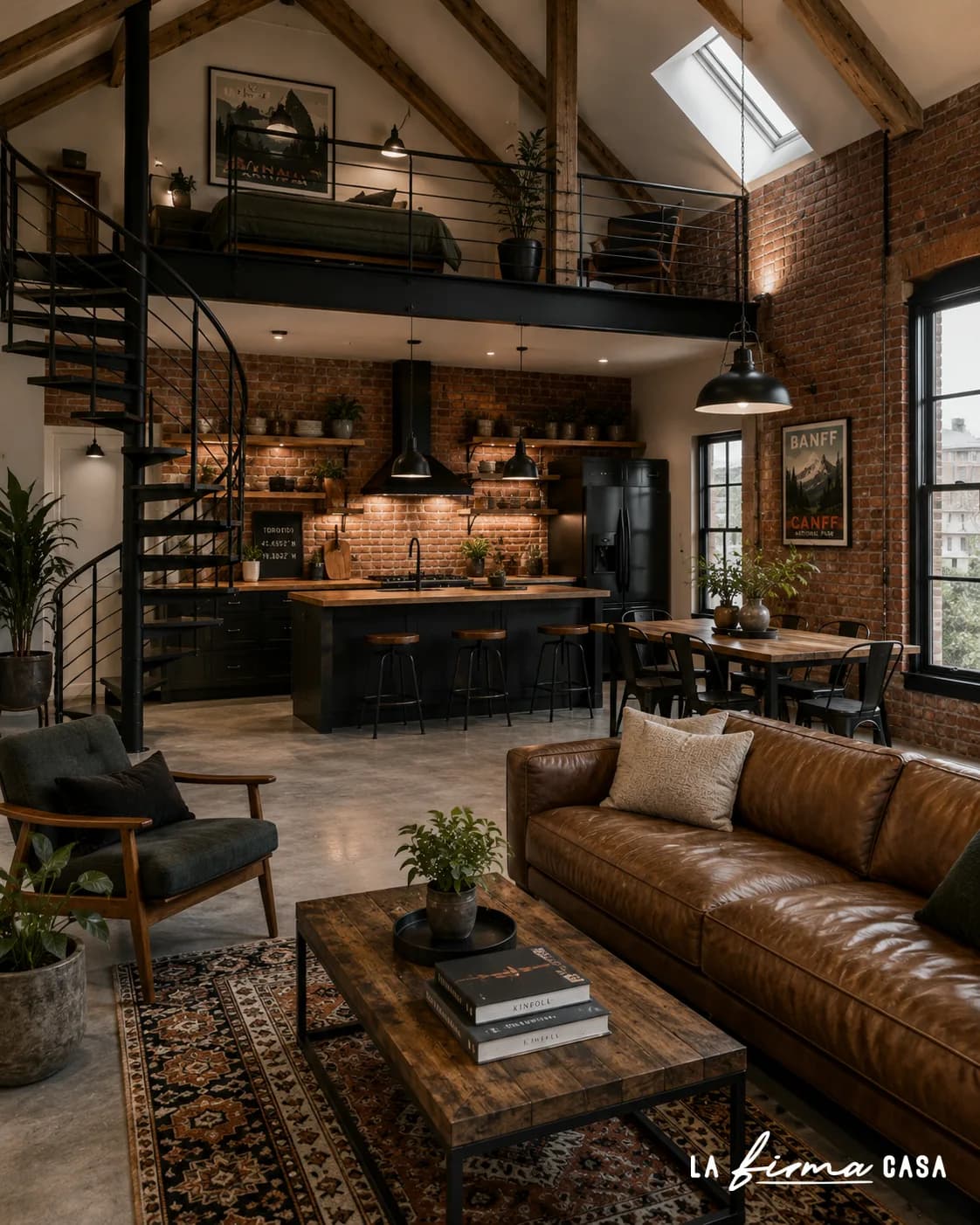
Industrial design brings the look of a factory into a home. Concrete floors, black wrought iron fixtures, and exposed brick or beam work form the core of the style. It became common in loft conversions, including old warehouses in Vancouver and former distillery buildings in Toronto. That history explains why it is one of the more location-dependent styles you can choose.
This style depends heavily on the building itself, since it leaves surfaces exposed rather than finished. A prewar warehouse conversion can carry the look naturally, with little extra work needed. A newer condo without existing brick or concrete will need those materials added, which raises the cost. If you are renovating from scratch rather than converting an older space, confirm this with a contractor first.
5. Minimalist
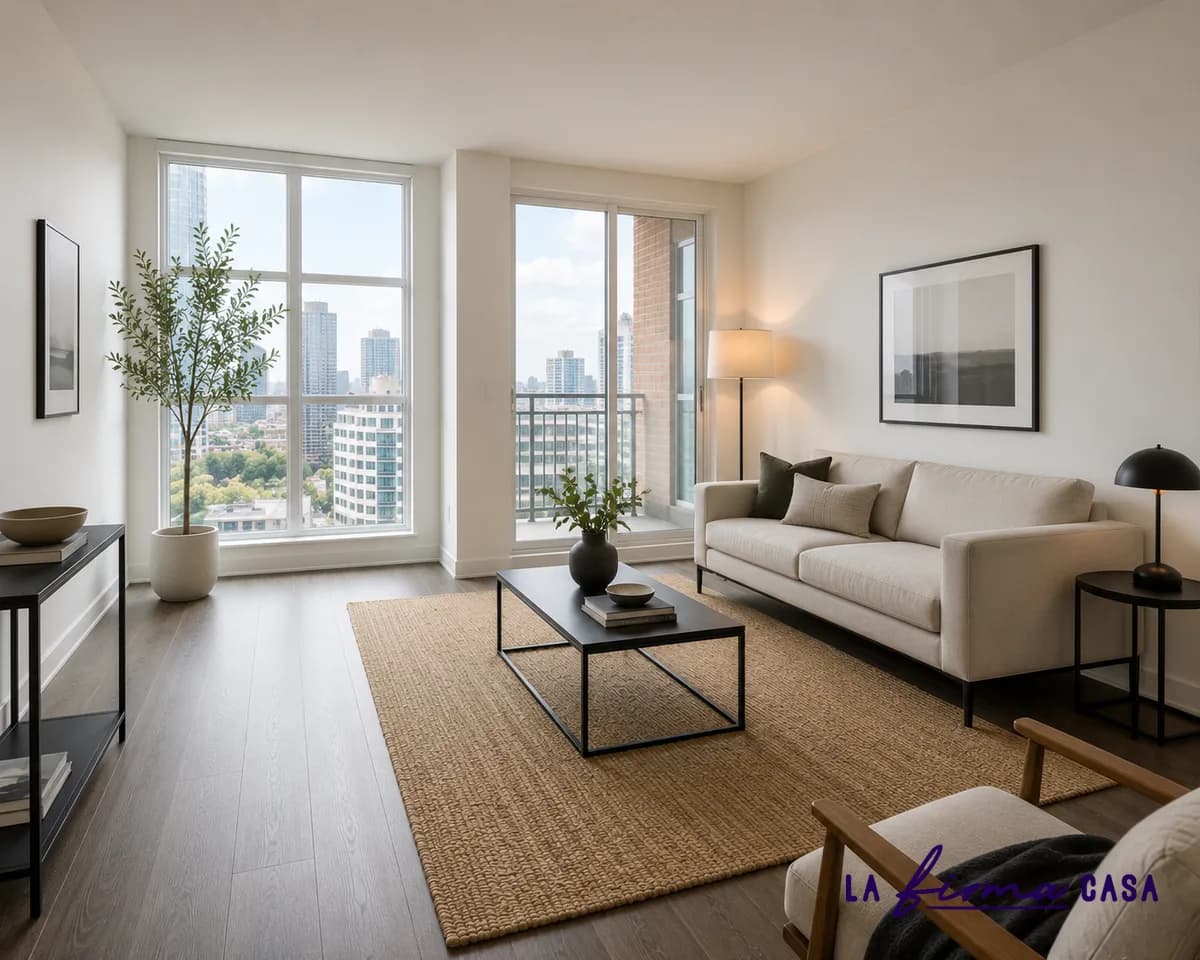
Minimalist design is built around one question. Does this object serve a function in the space? If the answer is no, a minimalist approach removes it rather than keeping it for appearance alone. Even detailed furniture, like the Queen Anne chair from the traditional style, gets simplified into cleaner lines under this approach.
This style offers a few practical benefits:
- A small space reads as larger once clutter is removed
- Furniture costs less overall, since fewer pieces are purchased
- The result feels calm rather than empty, for most people
It suits condo living in cities like Toronto and Vancouver well, where square footage is limited and expensive. It is a poor match if you tend to display collections or sentimental objects. Minimalism generally treats those as clutter rather than decor. Of all the styles covered here, this one asks the most of you upfront. Keeping a space this pared down takes ongoing discipline, not a single decorating decision.
6. Scandinavian
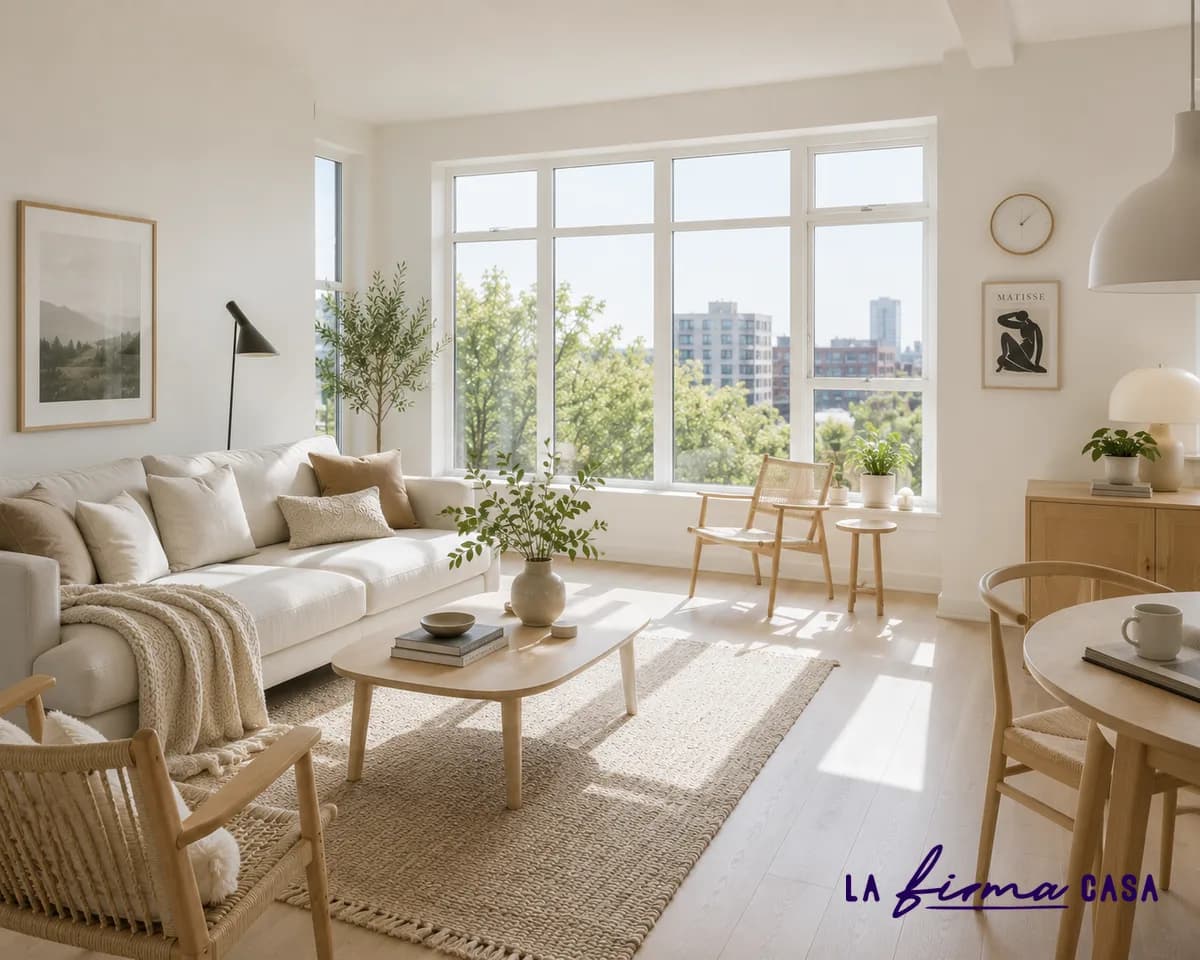
Scandinavian design uses light, earthy tones alongside large windows that let in natural light. Natural wood and other organic materials appear throughout. This keeps the space feeling connected to the outdoors rather than closed in.
This style has stayed popular in Canada for a practical reason, not just a decorative one. The light tones and large windows help offset shorter daylight hours during winter. That is part of why it consistently ranks among the most popular modern styles nationally. It suits homes with decent natural light to begin with. In a basement unit or a room with small windows, the same palette can look washed out instead of bright.
7. Italian
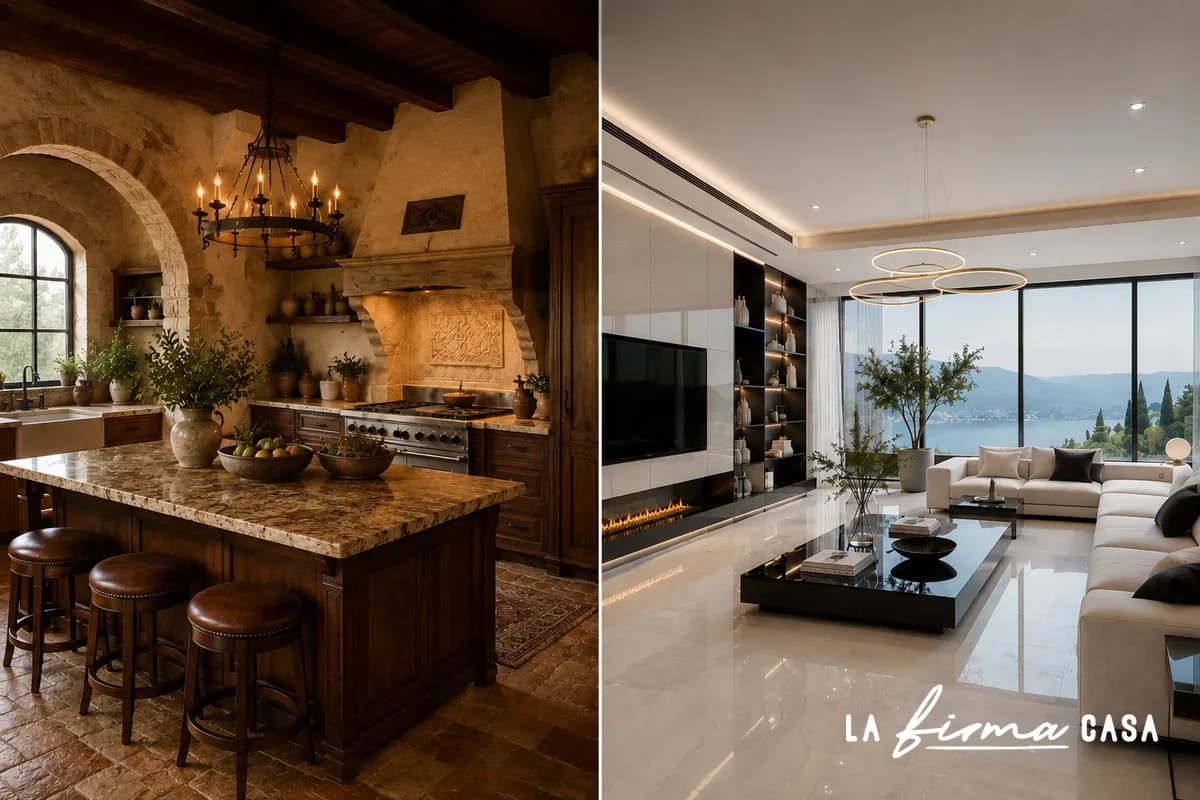
Italian design comes in two distinct versions, classic and modern. Classic Italian, often called Tuscan style, leans on warm terracotta tones, exposed wood beams, and wrought iron fixtures. Stone and brick accents show up often too, echoing the same materials used in older Italian farmhouses. Modern Italian looks almost nothing like it. It favors clean lines, high-gloss lacquered furniture, and imported marble instead of texture-heavy materials.
A few details separate the two versions:
- Terracotta tones, wood beams, and wrought iron accents for classic Tuscan style
- High gloss lacquer, marble, and leather for modern Italian style
Tuscan style suits a household that wants warmth and texture rather than sharp, polished surfaces. Modern Italian suits the opposite instinct, since it rewards a cleaner, more curated room. Both versions can feel out of place if mixed carelessly with other styles in the same space. In Canada, modern Italian shows up often in higher-end condo showrooms through import brands like Poliform and B&B Italia. Tuscan style tends to appear more in larger suburban homes with room for heavier materials. Neighborhoods with a strong Italian Canadian community are a good place to see the rustic version firsthand. Toronto's Little Italy and Montreal's Saint-Léonard are two well-known examples. This makes Italian one of the more versatile choices for larger, higher-budget renovations.
8. Midcentury Modern
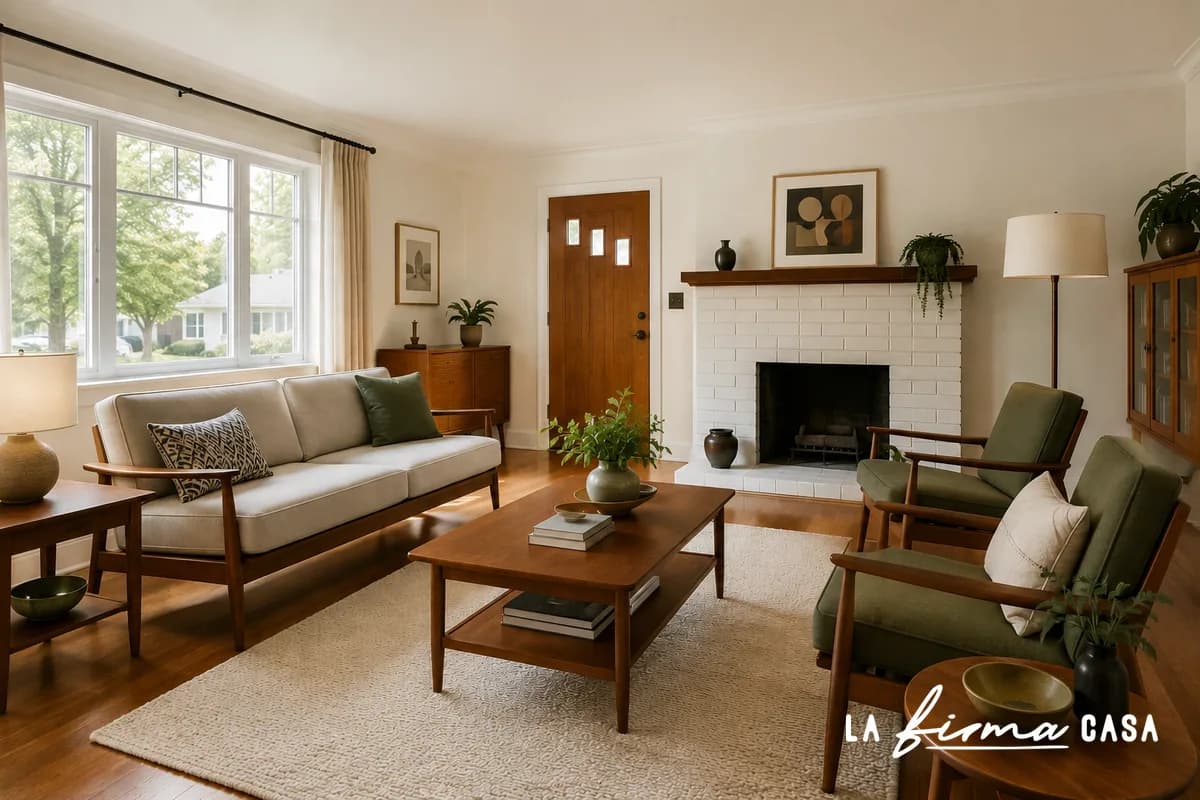
Midcentury modern design traces back to the Bauhaus movement. That was an early design philosophy from Germany favoring simple, functional forms over decoration. The style became widely known across North America during the 1950s and 60s. New materials like plastic, plywood, and vinyl had just become available to furniture makers.
Manufacturing improvements at the time also helped. Designers could simplify older, more traditional furniture into cleaner shapes that were cheaper to produce at scale. Many Canadian suburbs built during the postwar boom still have original midcentury bungalows. Their layout tends to suit this style well. A heavily renovated open concept home usually needs more added detail to carry the same look convincingly.
9. Coastal
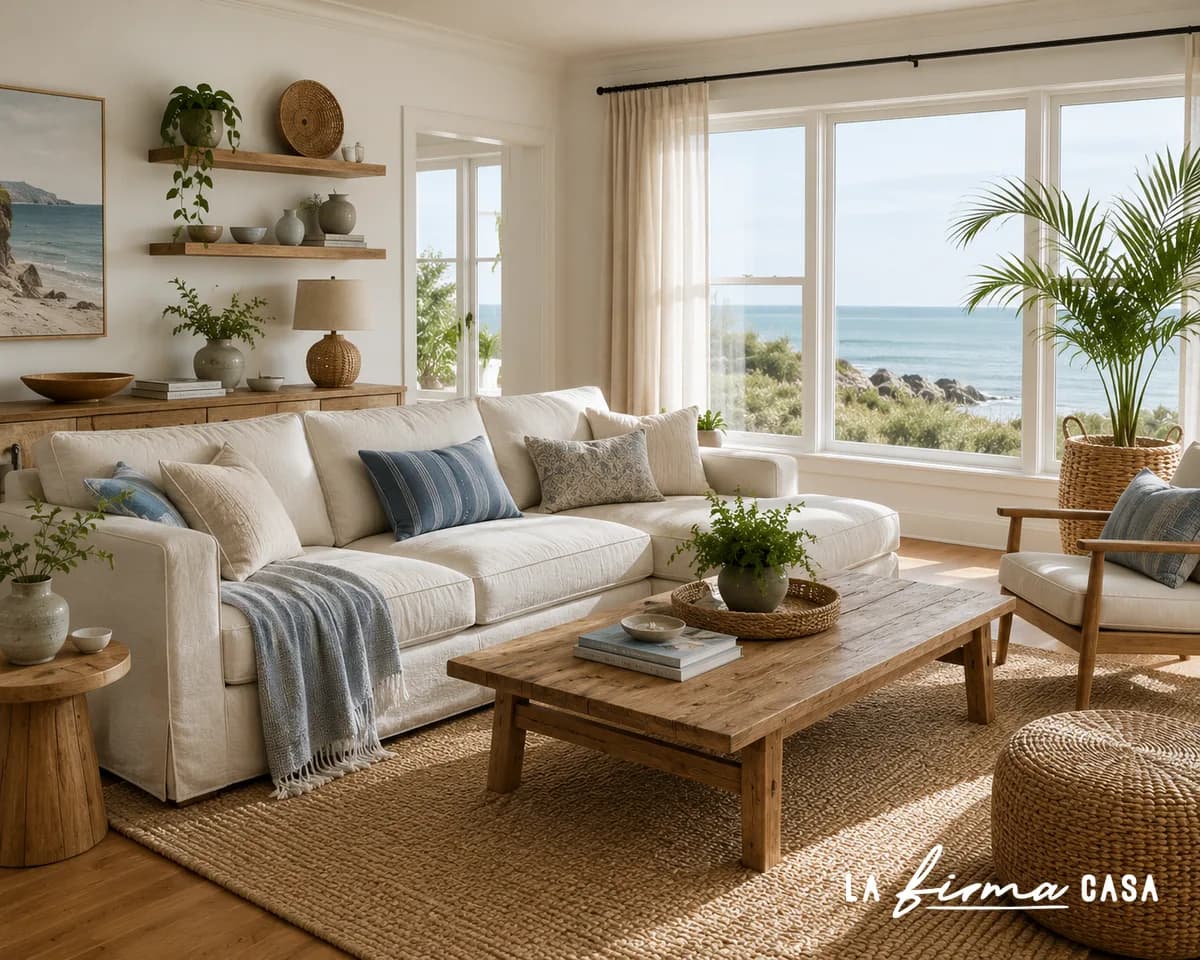
Coastal design, sometimes called Hamptons style, recreates the feel of a beach house. Natural wood, oversized windows, and linen fabric bring in a relaxed, breezy quality. Rope accents, woven textures, and shells appear as common finishing details.
This look is most at home along the British Columbia coastline. It also suits Atlantic provinces such as Nova Scotia and PEI. It works less well in a landlocked city apartment. There, the same materials can read as a costume rather than a natural fit for the setting. If the style still appeals to you inland, lean toward the lighter, linen-heavy side of coastal. It tends to translate better than the more literal nautical details. This remains one of the calmer looks on this list.
10. Glam
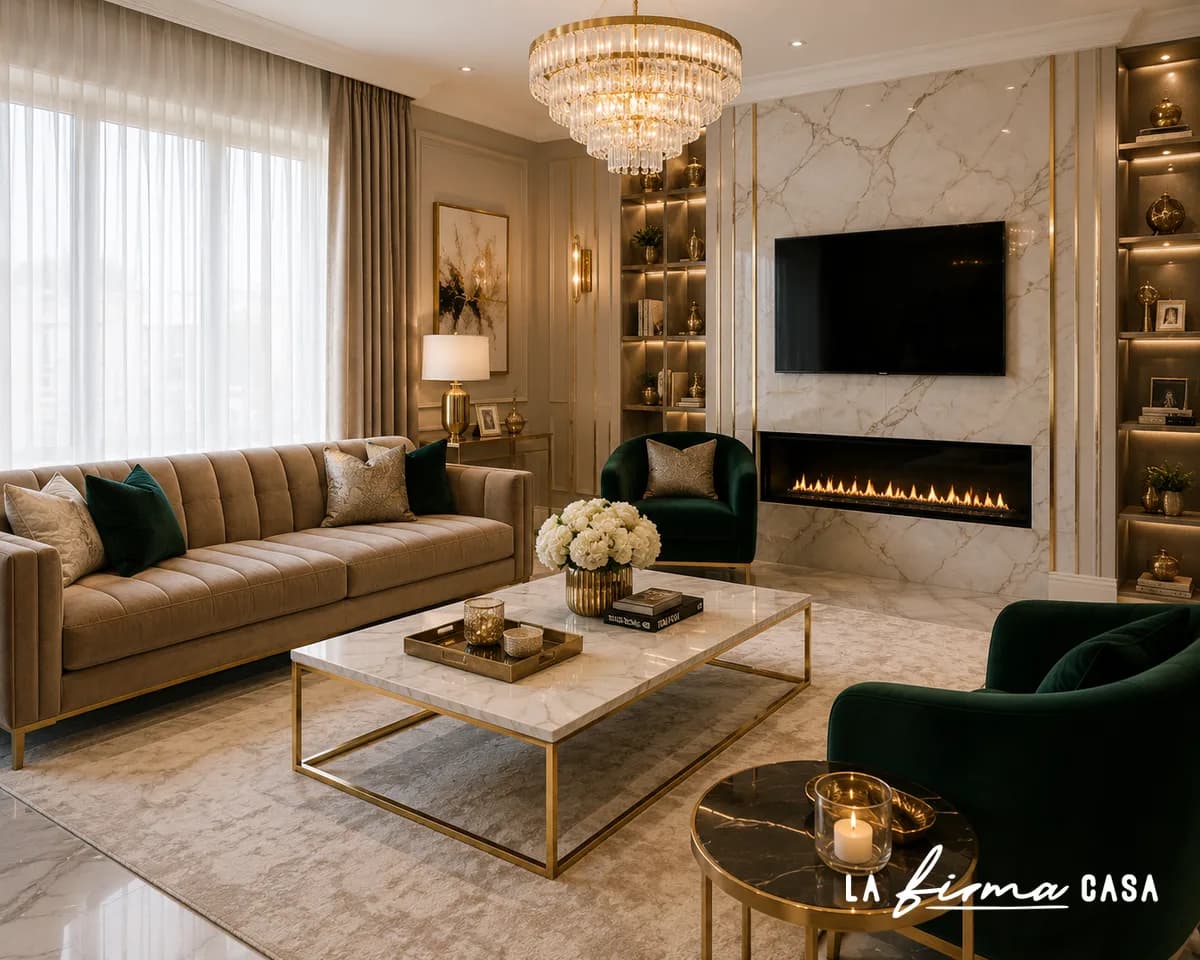
Glam design aims for a luxurious, dramatic first impression. Metallic gold and silver finishes, marble surfaces, and faux velvet fabrics create that elevated look. It is the kind of look you might notice in a high-end hotel lobby, not a typical living room.
This style suits a household that wants a home to feel like an event rather than a quiet retreat. It is a harder fit if you mainly want a space to unwind after a long day. The same finishes that read as dramatic can also feel demanding to relax in. Downtown condos in cities like Toronto and Vancouver most often carry this look. It usually pairs with a smaller footprint that benefits from a bold visual statement.
11. Zen or Japanese
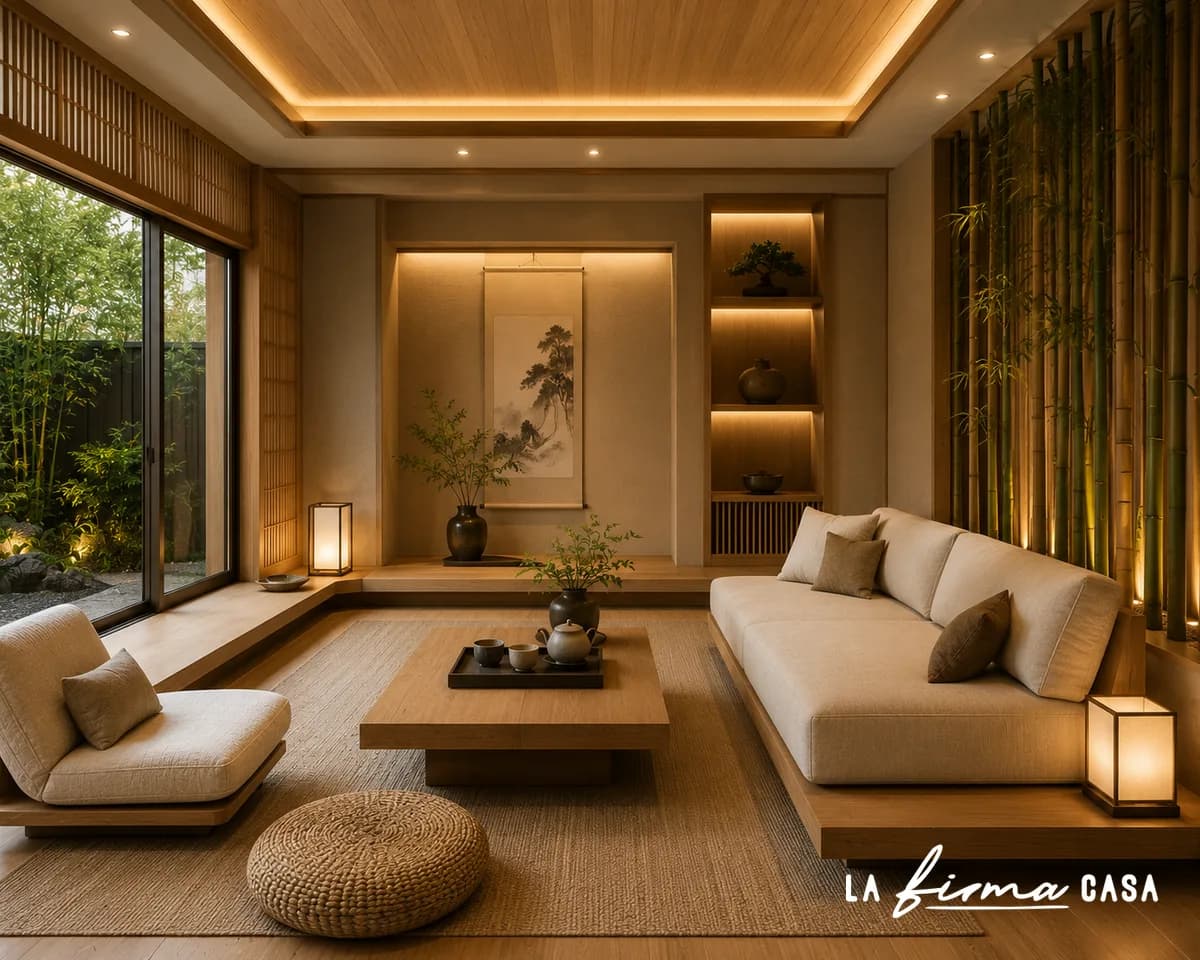
Zen, also known as Japanese style, aims to create a calm, serene environment. Bamboo, natural wood, and recessed lighting all keep the tone quiet rather than busy. Recessed lighting means fixtures mounted flush into the ceiling rather than hanging down. Large windows bring in soft natural light instead of anything harsh.
This style depends on discipline more than most others on this list. It strips detail down to its most basic form. A single cluttered shelf can undercut the calm the rest of the room is working toward. It suits a household that already prefers a slower pace. That might mean cottage country on weekends, or simply fewer possessions during the week.
Next Step: Talk to a Designer Before You Commit to a Style
Reading through the styles above is a useful starting point. Choosing a style that suits your space, budget, and daily life still takes careful planning. A minimalist room can feel empty without the right layout. A glam design can date quickly if the finishes are not selected thoughtfully. These issues are often only noticed once the work is complete.
Through our network of trusted interior designers across Canada, we connect homeowners with professionals who can help evaluate these tradeoffs before any work begins. We can match you with a designer who fits your project, budget, and design goals, making it easier to move forward with the right plan. Contact us to connect with a designer for a consultation.
Frequently Asked Questions
What types of interior design styles are there?
There are many types of interior design styles. The ones covered most often include traditional, farmhouse, bohemian, industrial, minimalist, Scandinavian, Italian, midcentury modern, coastal, glam, and zen. Each one relies on different colors, materials, and furniture shapes to create its own mood.
What are the different types of interior design styles?
They range from cozy, rustic looks like farmhouse, Tuscan Italian, and coastal, to clean, functional looks like minimalist and Scandinavian. Bolder options like bohemian and glam bring in more color, pattern, and drama. They suit a household that wants a stronger visual statement.
What types of interior design styles work well in Canadian homes?
Scandinavian and midcentury modern are especially common across Canada. Both styles bring in natural light and warm wood tones that help offset long winters. Industrial style is also common in cities like Toronto and Vancouver. Older warehouses and factories there have been converted into loft-style condos.
Is there a list of interior design styles I can use as a starting point?
Yes. A simple starting list includes traditional, farmhouse, bohemian, industrial, minimalist, Scandinavian, Italian, midcentury modern, coastal, glam, and zen. From there, the choice usually comes down to your home's layout and your budget. It also depends on how you use the space day to day.
Where can I find pictures of each interior design style?
Searching each style by name will bring up plenty of real-room examples. Our design team can also put together a visual mood board for you directly. Seeing a style in a real room is usually more useful than only reading about it. That makes it easier to judge whether a style fits your home.
What are the types of minimalist interior design styles?
Minimalist design is not one single look. Japanese-inspired minimalism leans on natural materials and quiet colors much like the zen style covered above. Scandi minimalism mixes in warmer wood tones and soft textiles instead, and overlaps with the Scandinavian style earlier in this guide. Both versions focus on function first, but the finer details can look quite different in person.
About the author

Written by
Founder, La Firma Casa
Founder of La Firma Casa and a practising architect. Ummer Mughal writes on specifying Italian and European products for Canadian projects.
Connect on LinkedIn